Ship faster. Break less. Sleep better.
Container infrastructure and CI/CD pipelines that make your development team move faster — without introducing new chaos.
From 'it works on my machine' to production confidence
Identical environments
Dev, staging and production run the same container image. Environment-specific bugs become a thing of the past.
Automated deployments
Push to main, get it deployed and tested automatically. No more manual SSH sessions at 11pm to roll out a hotfix.
Scale what you need
Container orchestration scales services independently. Pay for compute at peak, not always.
What we set up
Docker: We containerize existing applications, write Dockerfiles and Docker Compose configurations, and set up private registries (Harbor, GitLab Registry). We handle multi-stage builds, health checks, volume management and secrets — not just docker run.
Kubernetes: K3s for lighter deployments and on-premise setups, managed K8s (EKS, GKE, AKS) when you’re on cloud. We configure deployments, services, ingress, persistent volumes, RBAC, namespaces and horizontal pod autoscaling. We also help teams who have a Kubernetes cluster but nobody who fully understands it.
CI/CD pipelines: GitLab CI, GitHub Actions or Gitea Actions. Build → test → push image → deploy, with environment promotion (dev → staging → prod). We include automated rollback on failed health checks.
Monitoring: Prometheus + Grafana for metrics, Loki for log aggregation. Dashboards for application latency, error rates, container resource usage. Alerts that page the right person.
Security: Container image scanning (Trivy), network policies, pod security standards, secrets management (Vault or Kubernetes Secrets with proper encryption at rest).
Who this is for
Development teams that deploy frequently but still do it manually. Companies running applications on bare VMs that want to modernize without a full cloud migration. Teams that adopted Kubernetes but are drowning in YAML they don’t fully control.
Shipping containers, but for software
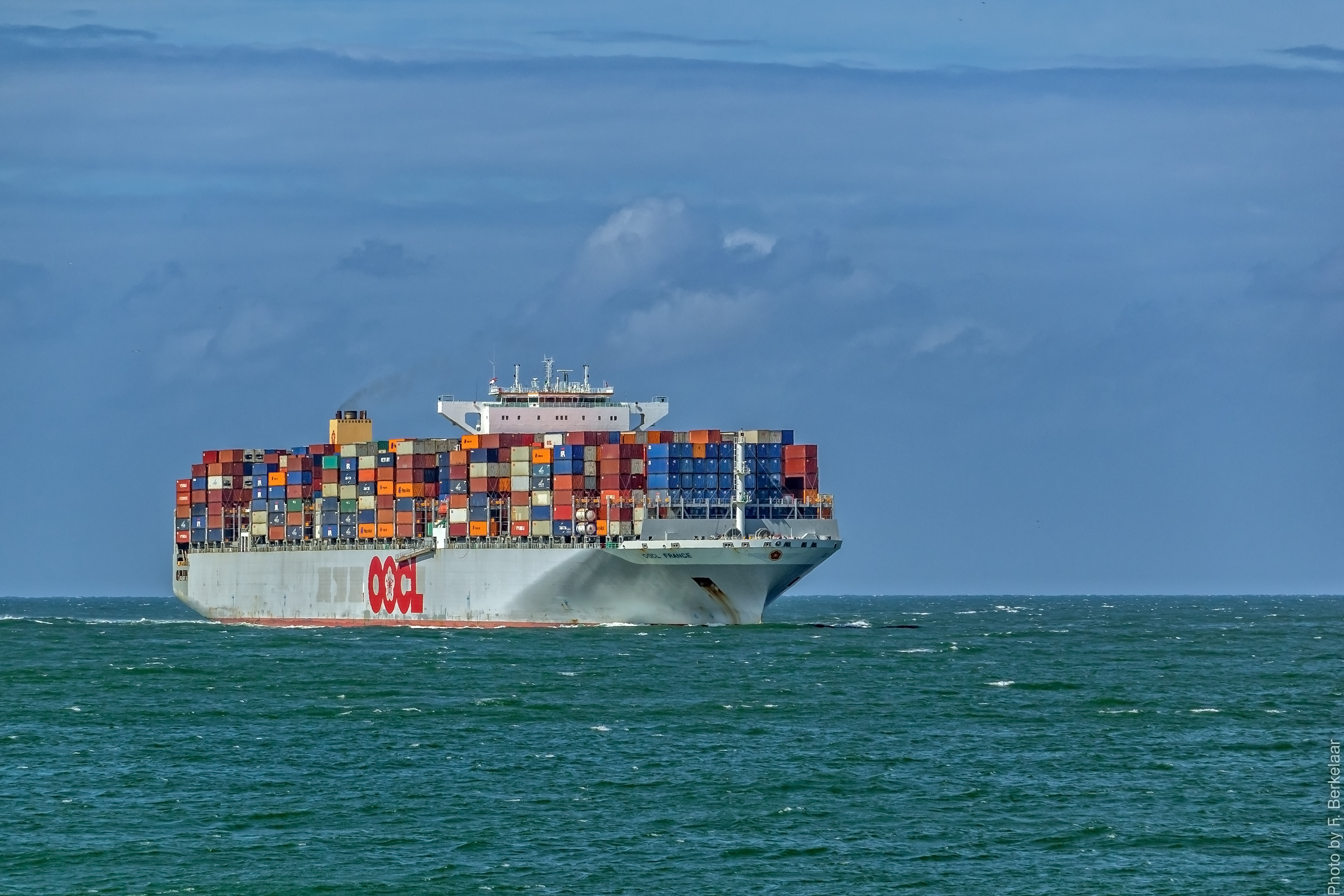
A shipping container holds goods in a standardized box that fits any ship, train or truck. Software containers do the same — they package an application and everything it needs into one portable box that works identically on a developer's laptop, a test server or a cloud platform. No more 'it works on my machine.' When demand spikes, you spin up more boxes. When it drops, you spin them down.
Want to containerize your application stack?
We'll review your current setup and propose a migration path that doesn't require rewriting everything from scratch.
Let's review your stack